The Osa Foundation supports organizations that empower human potential in underserved communities by creating Opportunities, offering targeted Support and improving Access to resources.                 

The Osa Foundation’s work is grounded in the following values:

  • Self-reliance: We value the dignity of hard work and consider self-reliance and sustainability to be the ultimate goal of our philanthropy.

  • Equity: We believe that every person should have access to the resources needed to pursue and achieve their full potential. We will examine the pervasive and institutional barriers to equitable access of resources and employ this lens in our grantmaking.

  • Innovation: We value critical, original thinking and creative problem solving.

  • Integrity: We value honesty and transparency: accordingly we endeavor to conduct our work in a manner consistent with the highest ethical standards.

  • Diversity: We value and respect the diversity in our society. We acknowledge our obligation to examine our own biases and will work to stand up for social justice.

We seek to support grantee organizations that embody these beliefs and values.

To learn more about our story and investment philosophy, please click here.
 Request for Proposals (RFP)

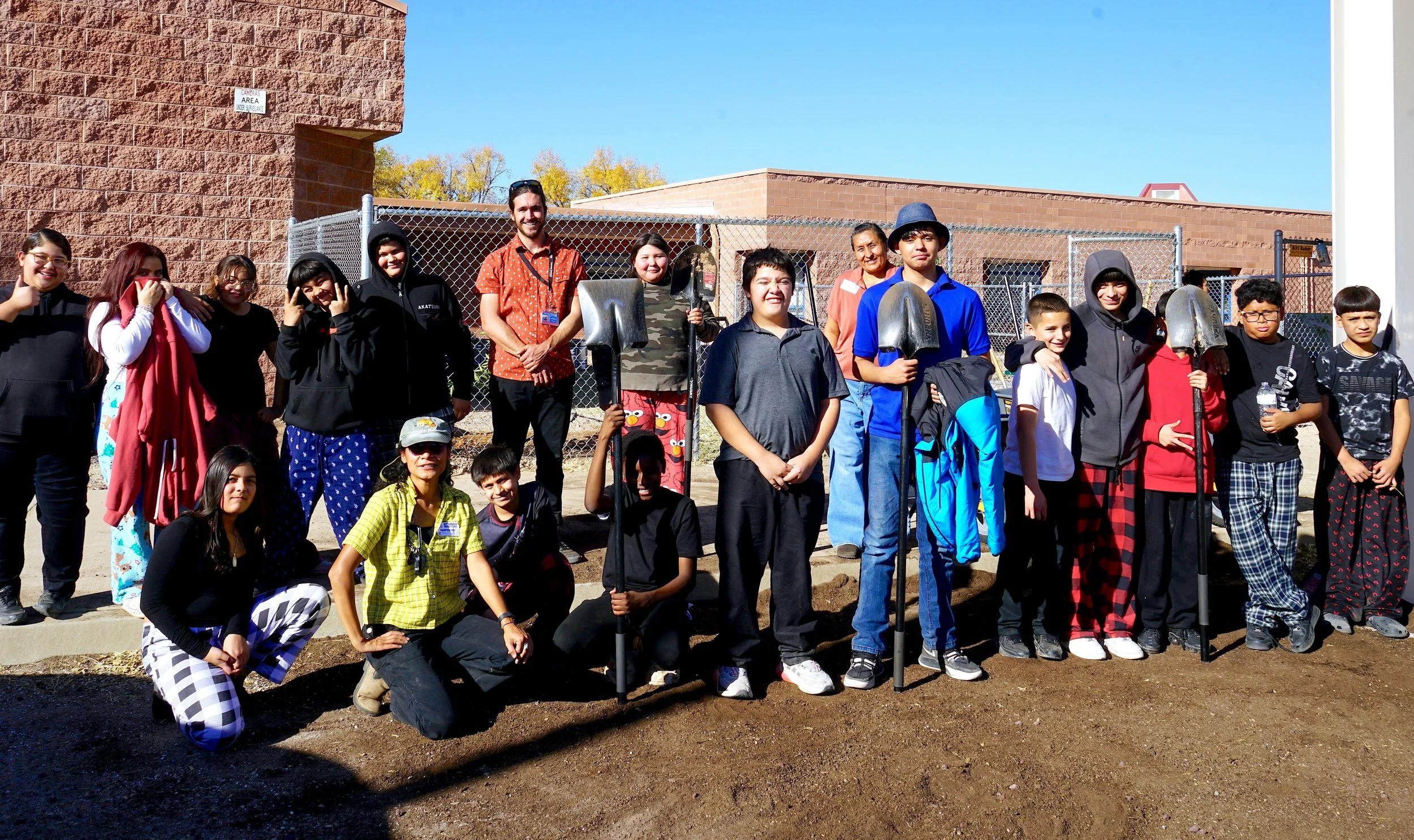
Tucson is home to talented and dedicated educators. The Arizona statewide effort to increase PreK-3 reading levels has ignited The Osa Foundation’s desire to ensure Tucson educators are effectively supported and resourced to improve literacy outcomes for early readers.

Learn more

Application Process

The Osa Foundation currently accepts grant proposals on an invitation only basis. Through a rigorous assessment process, we identify and select results-oriented organizations whose programs and infrastructure bring innovation, excellence and sustainability to bear in executing their mission. The Osa Foundation makes grant decisions on a rolling basis pursuant to its grantees’ preferred timeframes.

Upon invitation, please submit the following proposal materials electronically to Amy Sauer, Strategic Advisor, The Osa Foundation at amy@theosafoundation.org

Narrative: (suggested length is 3 pages)

  • The purpose of your request, including description of the program, population served, and results to date

  • A specific description of the results that you intend to achieve with this grant and description of measurements or indicators you will use to gauge your impact, including targets. If awarded a grant, you will be asked to report on these results at the end of the grant cycle.

  • A brief overview of the organization, including

    • Organization’s mission, vision, and strategic goals

    • Organization’s history of accomplishments, growth, and impact, as well as populations served.  For requests for general operating support, this information may be duplicative of the information requested in the first bullet and responses can be integrated into one response.

See Required Attachments here.

To learn more about when you will hear from us regarding your grant request submission, please click here.
Grant Reporting

All grantees are asked to submit a grant report at the end of the grant period.  Your grant award letter will indicate the suggested timeframe for submitting your report. The grant report shall include a discussion of your accomplishments for the grant period compared to the stated goals and targets that you previously laid out in your proposal.  Please also share lessons learned and an identification of where you fell short of your goals or identified areas for improvement or opportunity.  The suggested length is two pages.

Our Current Grantees:

2.png

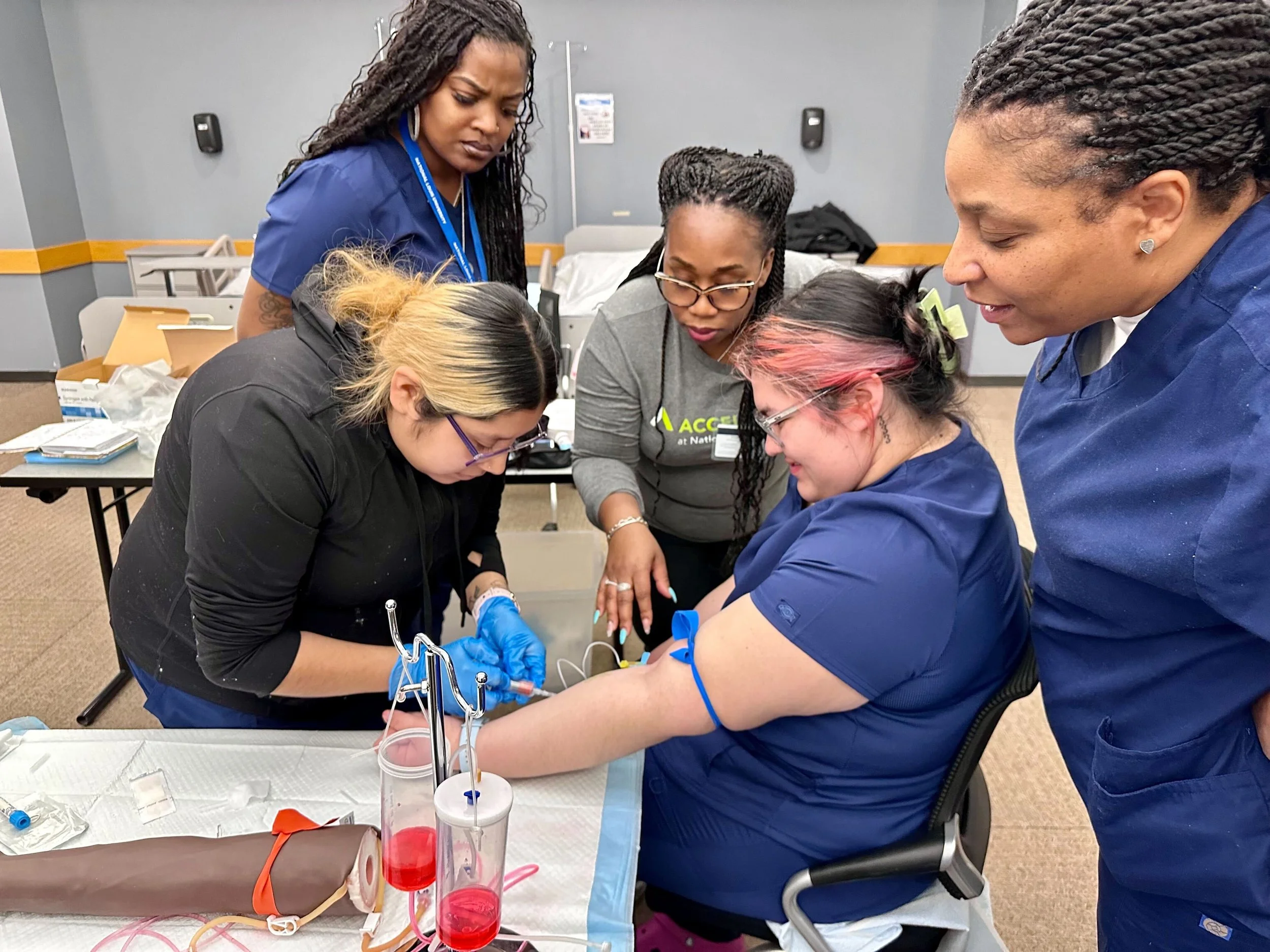
Education to Career:

Accelerate U (Chicago)

Braven (Chicago)

Genesys Works (Chicago)

One Million Degrees (Chicago)

Progressive Pathways Fund (Chicago)

Sunnyside High School Cybersecurity CTE Program (Tucson)

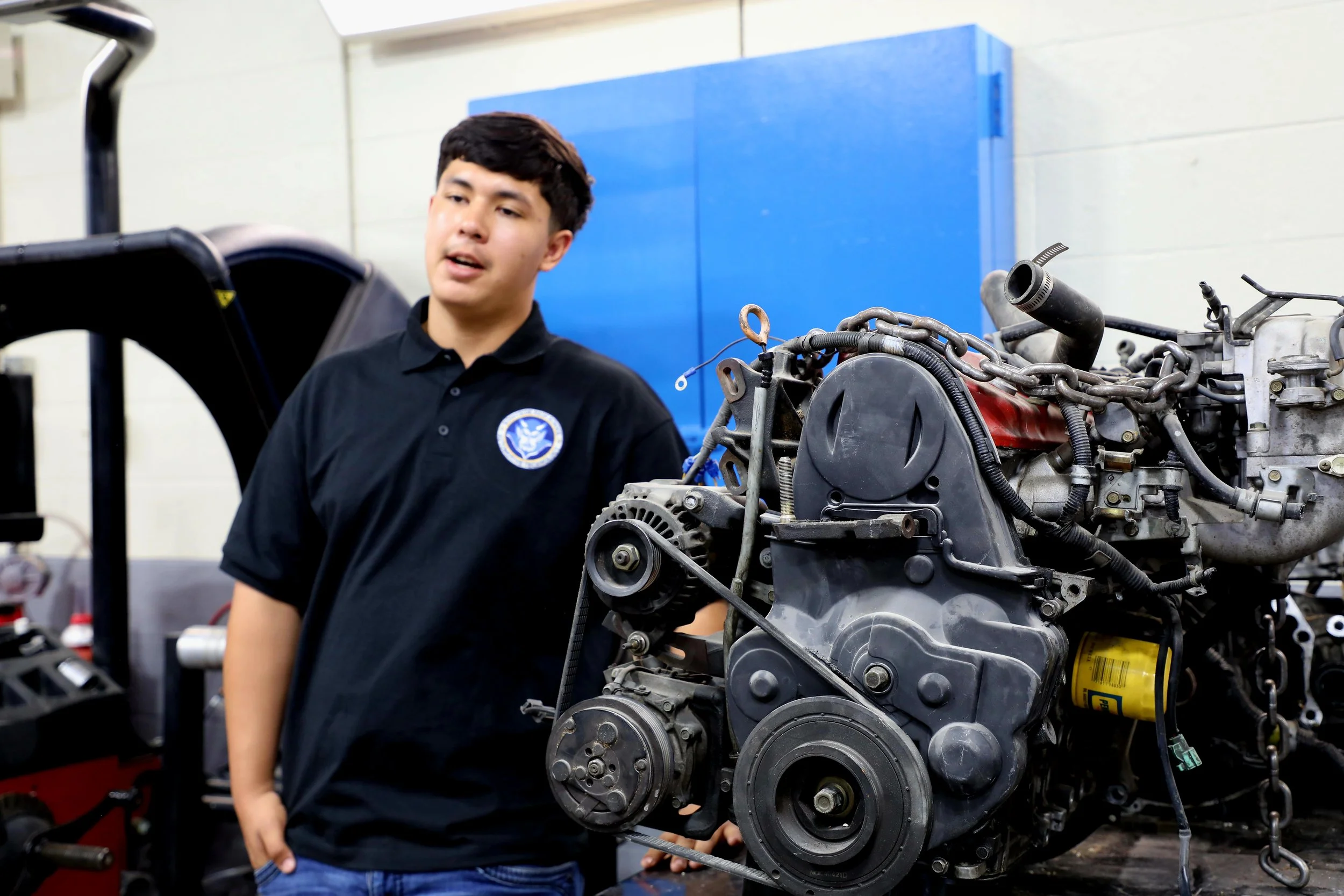
Sunnyside High School EV CTE Program (Tucson)

4.png

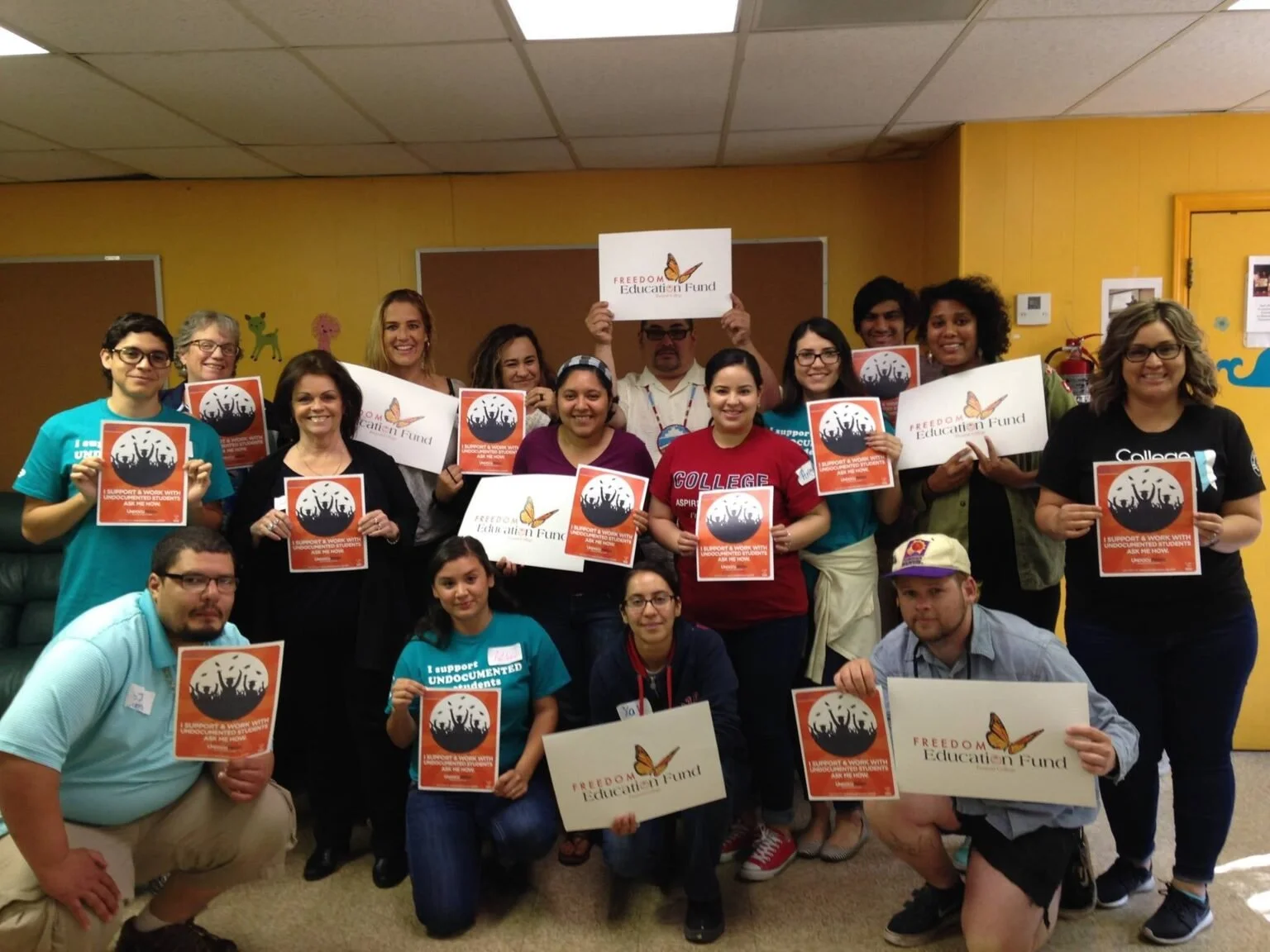
College Access, Completion, and Success:

Chicago Scholars (Chicago)

High Jump (Chicago)

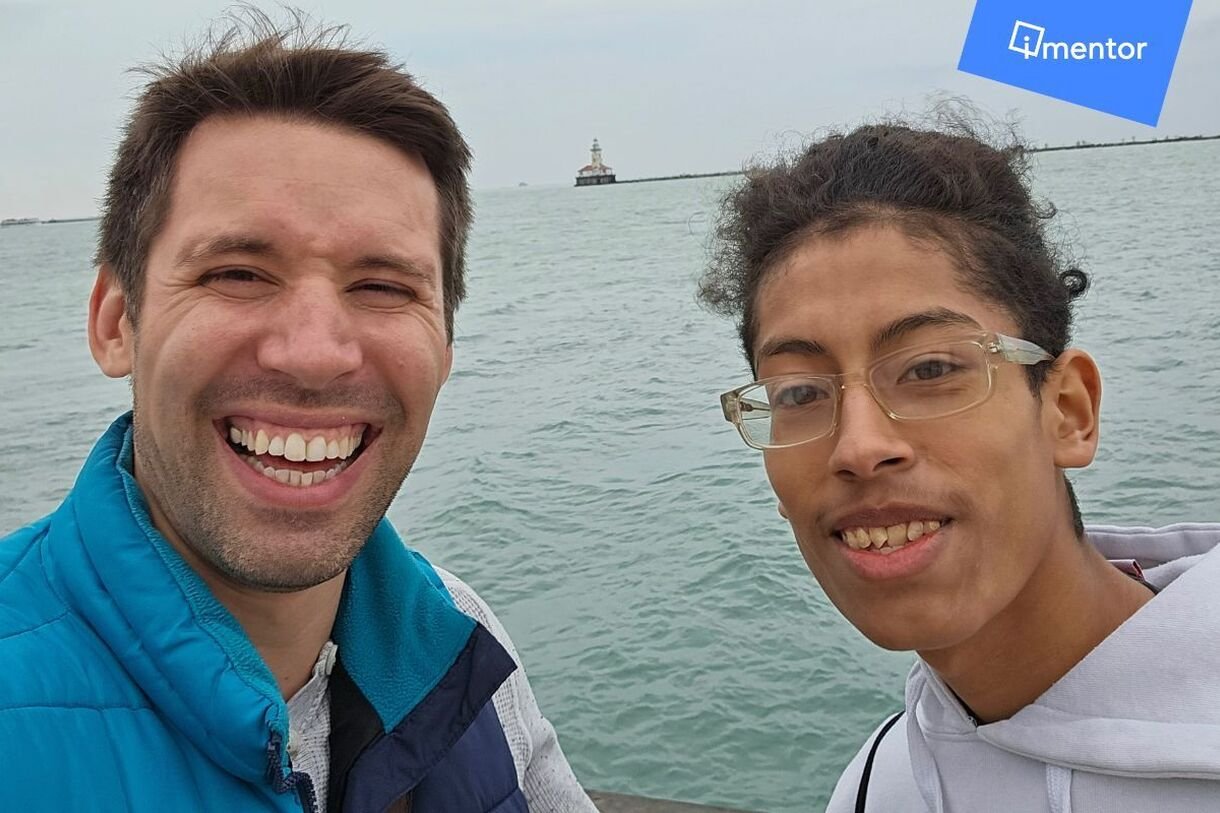
iMentor (Chicago)

National Louis University - Learn & Earn in Three (Chicago)

Partnership for College Completion (Chicago)

Scholarships AZ (Tucson)

Sunnyside Unified School District, University of AZ and Pima Community College Tri-School Partnership (Tucson)

3.png

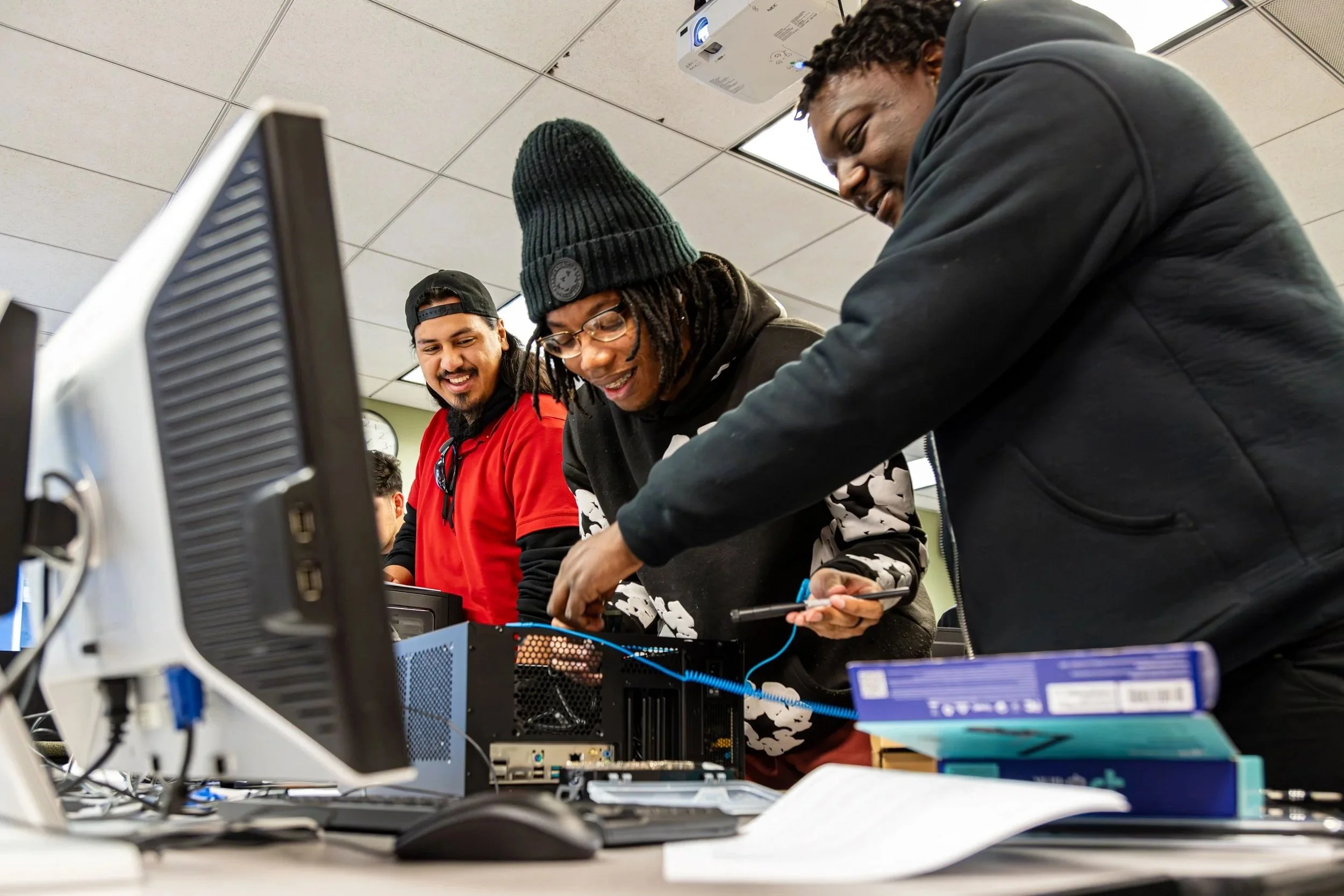
Education Innovation:

Amphitheater Schools Foundation (Tucson)

Community Investment Corporation (Tucson)

Education Enrichment Foundation (Tucson)

Educators 4 Excellence (Chicago)

Flowing Wells School District (Tucson)

Golden Apple Foundation (Chicago)

Intrinsic Schools (Chicago)

LEAP Innovations (Chicago)

Springboard Collaborative (Chicago)

Springpoint/CPS Option Schools Initiative (Chicago)

Sunnyside Foundation (Tucson)

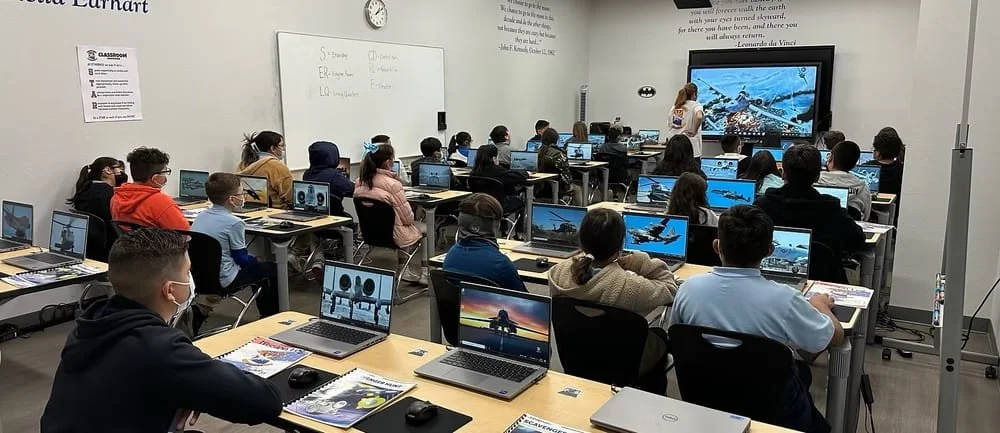
The Modern Classrooms Project (Chicago)

1.png

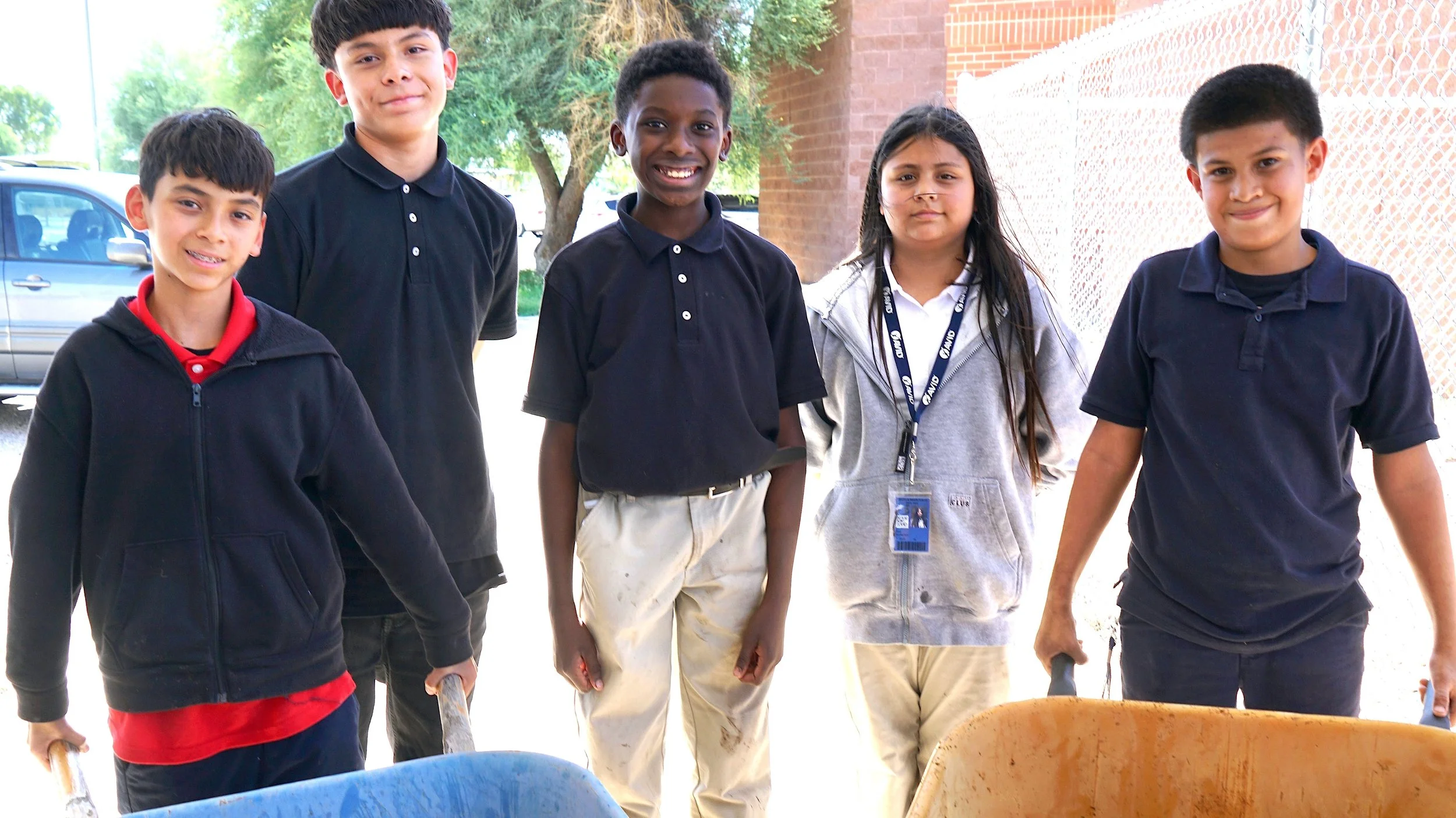
Student Engagement and Mental Health:

Boys to Men (Tucson)

Children’s Museum of Tucson (Tucson)

Echo Program at Nash Elementary School (Tucson)

Embarc (Chicago)

Sequoia Springs Trauma Healing Center (Tucson)

University of Arizona School Gardens Workshop (Tucson)

Grantee Blogs

We are honored to highlight blogs written by our grantees. We invite you to read how they are making an impact. We look forward to showcasing recent blogs from other grantees each month. 

Featured Blog

LEAP Innovations, Chicago | September 2025

New Report Highlights Practitioner-Tested Priorities for AI in Education

LEAP Innovations, a Chicago-based nonprofit elevating best practices for education innovation and personalized learning, and the Chicagoland Coalition for Human-Centered AI in Education released Powering the Future of Learning, a co-designed report offering a roadmap to ensure AI adoption strengthens teaching, personalizes learning and equips every student to thrive in a future powered by AI.

Launched in Fall 2024, LEAP Innovations created the Coalition to address a critical gap: AI entered classrooms before schools had clear policies, educator training, or alignment to instructional practice. LEAP Innovations convened more than 130 educators, district leaders, high education institutions, nonprofits, edtech companies, researchers, and partners from 45+ schools and organizations across Chicagoland to explore a human-centered approach to artificial intelligence. The Coalition is part of LEAP’s AI Education Network, which supports schools, districts and education organizations across the country to design and implement human-centered AI initiatives that accelerate the impact of high-quality teaching and learning practices.

“Artificial intelligence is reshaping learning and work. The urgent question is whether it will create opportunity or widen a digital divide that leaves some behind,” said Scott Frauenheim, CEO of LEAP Innovations. “Ensuring that Chicagoland’s educators and students are prepared to succeed in a future powered by AI is not just an education priority, but necessary to equip our region and our nation with a workforce for the future.”

Read More

The Springboard Collaborative

September 2025

In NAEP’s Aftermath, Will We Finally Support Parents?

Research finds parental involvement in their children’s learning is a more powerful predictor of academic success than any other variable, including race and class. One study concluded that 80% of the variation in public school performance results from parents’ influence, not teachers’.

Our society has enabled privileged parents to put their kids on the path to academic and economic success. At the same time, we’ve made it painfully difficult for marginalized parents to do the same. Unless and until we help marginalized families support learning at home, inequities will persist. Parents are their children’s first and best teachers, yet we fail to provide them the basic resources we’d give any teacher: curriculum and coaching.

Read More

Springpoint Schools

December 2025

Reframing Rigor: Meaning as the Catalyst for Deep Thinking and Transformative Learning

“Rigor” is a term used across the ed sector in an attempt to ensure that all students have access to material that will prepare them for postsecondary success. From the explosive 2018 release TNTP’s report, The Opportunity Myth to Ed Reports’ subsequent and now widely-used standards-based curricular assessment tools and recommendations to districts requiring adoption of High Quality Curriculum Materials (HQIM), educators across the country have been working in different ways to ensure that students are being asked to do grade-level work and that they are provided the supports they need to be successful in that work. 

But rigor – especially at the high school level – is not enough. In our work with hundreds of high schools across the country, Springpoint has seen time and again that students also need to see the purpose in what they are being asked to do. If rigor describes how students engage in learning (the thinking, the challenge, the stretch), then purpose describes why they engage. Purpose invites students to care, to show up, to persist – because the work matters to them. 

Read More

Partnership for College Completion

August 2025

PCC to Department of Education: Make the Rulemaking Table Representative of Students and Borrowers

I first want to encourage the Department to ensure essential constituencies have voices at the upcoming negotiating tables. We thank the Department for its attention to students and borrower representation. For both rounds of rulemaking the Department has proposed to take on, however, tables should also include a distinct seat for representatives from civil rights organizations. The substantial, historic changes to loan programs, Pell, and other proposed areas will have especially direct effects on student populations most often marginalized by our country’s economic and educational systems. Accordingly, organizations that center advocacy for these diverse populations should have a seat to present data and give voice to students and borrowers who stand to gain or lose the most because of the Department’s actions. Further, proposed topics directly implicate campus-based financial aid administrators, yet the Register notice does not include them as stakeholders at the expected tables. We encourage the Department to include a distinct seat for financial aid professionals or their professional association during the upcoming rounds of negotiations.

Read More

The Modern Classrooms Project

October 2025

Adding Inquiry to My Modern Classroom Through Building Thinking Classrooms

To strengthen my Modern Classroom Project course with inquiry-based learning, I attended a workshop focused on using inquiry in Modern Classroom settings. I was especially struck by research presented in the workshop, which highlighted how inquiry-based learning increases student engagement, boosts academic achievement, and enhances learners’ ability to direct their own learning. The workshop introduced the 5E instructional model—a constructivist framework developed in the late 1980s by the Biological Sciences Curriculum Study (BSCS) under the leadership of Roger Bybee—as a common structure for implementing inquiry. The model is grounded in Jean Piaget’s theory of cognitive development and Lev Vygotsky’s social learning theory. The five Es are: engage, explore, explain, elaborate, and evaluate.

Read More

Sunnyside Foundation Tucson

August 2025

tri-school parternship aims to improve postsecondary attainment

The Sunnyside Foundation is proud to be a partner in a new initiative – the Tri-School Partnership aimed at helping more Sunnyside Unified School District students enroll in and reach their higher education goals.

Sunnyside Unified School District, in collaboration with Pima Community College and the University of Arizona, seeks to work seamlessly in support of the SUSD College and Career Blueprint to improve postsecondary attainment. Leaders of each institution will continue to work collaboratively and commit staff time to the development and implementation of new initiatives that will support direct student support, pathway alignment, and family outreach.

Read More

The Chicago Public Education Fund

October 2025

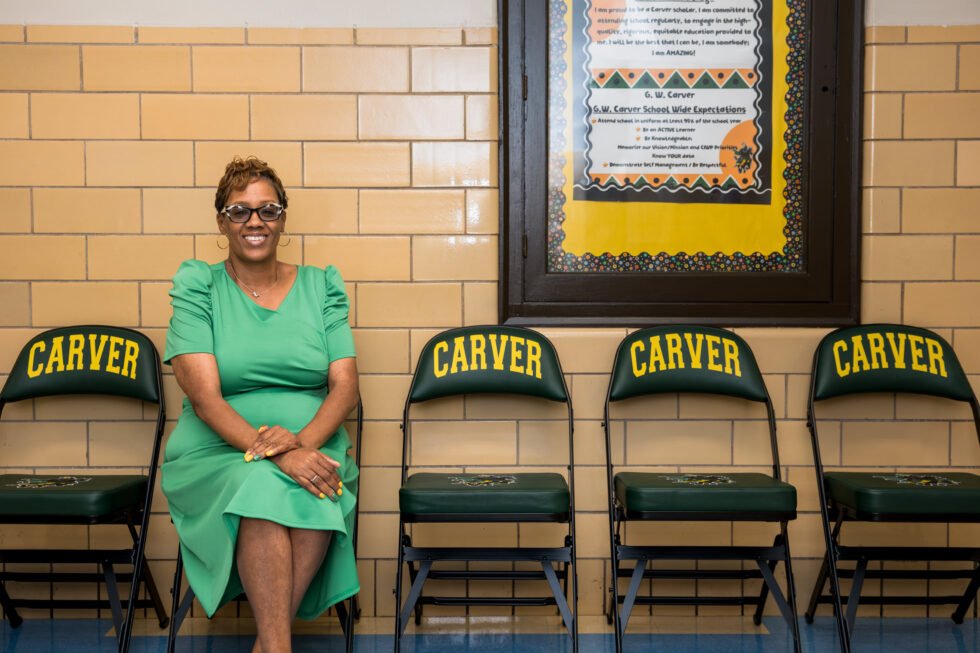
Growth in Trust and Attendance Through Family Engagement at Carver Elementary School

Stepping into the principalship, Venus saw that student attendance had plummeted to 78% and chronic absenteeism was impeding academic progress. Rather than act on assumptions, Venus gathered both quantitative and qualitative data to understand the root causes of absenteeism and student and community disengagement. She reviewed school-wide attendance trends, analyzed participation rates at events like report card pickup (which stood at just 24%), and conducted one-on-one interviews and surveys with staff and families. These data sources revealed a pattern: many parents felt alienated from the school due to prior negative interactions and inconsistent leadership. The data also showed that parents wanted more transparent communication and a stronger voice in their children’s education.

Venus saw this as an opportunity to build a foundation of trust, shared accountability, and collaboration. Firmly believing in listening to all stakeholders — including students, staff, and families — she prioritized family engagement as a key strategy for improving attendance and accelerating learning.

Read More

Contact Us

Please direct all correspondence and communication to: 

The Osa Foundation
info@theosafoundation.org

Robin Lavin
President
robin@theosafoundation.org

Amy Sauer
Strategic Advisor
amy@theosafoundation.org